1、 Industry Overview:
The disinfectant industry belongs to the public health system and fine chemical industry, widely used in medical, food, home, industrial, water treatment, animal husbandry and other fields. It is a fundamental industry related to national health, production safety and environmental safety. After the public health crisis in 2020, China’s disinfectant industry entered a stage of normalized, standardized, and high-quality development from emergency explosive growth, with stable demand, strengthened supervision, technological iteration and upgrading, and optimized industrial pattern. By 2025, the market size of the domestic disinfectant industry is expected to be between 80-120 billion yuan, with an average annual compound growth rate of 6% -8%, all of which are higher than the global level. China has become one of the world’s largest producers and consumers of disinfectants. Disinfectants not only meet domestic demand, but also are exported in large quantities to the “the Belt and Road” countries and Europe and the United States, which is at the core of the global disinfectant supply system.
2、 Industrial chain structure:
(1) Upstream: Raw material side 1. Disinfectants are mainly composed of raw materials such as ethanol, sodium hypochlorite, hydrogen peroxide, quaternary ammonium salts, caustic soda, chlorine gas, etc., mostly belonging to basic and fine chemical products. The domestic raw material supply is sufficient, and leading chemical enterprises have both raw material production and disinfectant solution production, such as China National Chemical Corporation, Juhua Group, Jinpeng Group, Luxi Chemical, etc., with obvious cost and supply chain advantages.
(2) Midstream: Disinfectant production enterprises can be divided into three categories: raw material pharmaceutical enterprises, which only produce raw materials and do not involve disinfectants;
- Large chemical enterprises: self-sufficient in raw materials, large production capacity, low cost, producing industrial and municipal level disinfectants; 2. Professional disinfection enterprises: formulation manufacturers, brands+channels, producing medical disinfectants, household disinfectants, and food disinfectants; 3. Enterprises that combine daily chemical and pharmaceutical industries: Utilize brand and channels to quickly expand into the home and civilian markets.
(3) Downstream: (1) Medical and health: Hospitals, clinics, and disease control centers have the highest requirements for product qualifications and killing indicators. (2) Household and civilian use: Hand disinfection for family members, disinfection of household items, air disinfection, requiring warmth, safety, and convenience. (3) Public places: schools, supermarkets, train stations, bus stations, airports, office spaces, large in scale, requiring standardization.
(4) Industrial fields: food and beverage, pharmaceuticals, cosmetics, water treatment, animal husbandry, emphasizing specialization and customization.
(5) Agriculture and animal husbandry: farms, slaughterhouses, cold chain disinfection and sterilization, rigid and sustainable.
3、 Market Pattern and Main Manufacturers (1) Overall Competitive Pattern: “Leading by Leaders, Foreign Investment Occupying the Market, and Small and Medium sized Factories Occupying the Market Segmentation”. The concentration of CR5 (top five enterprises) is about% -%, and the concentration is increasing. The clearance of small and medium-sized production capacity is accelerating under the tightening of environmental protection and supervision. Domestic enterprises have obvious advantages in cost, channels, and local services, while foreign brands have stronger technology and brands in high-end medical and advanced consumer goods fields.
(2) Top domestic manufacturers 1 Blue Moon Home Disinfection Leader, with alcohol, compound disinfectant, disinfectant wipes, complete brand&supermarket or e-commerce channels, high market share, annual revenue of 4-5 billion yuan, and full coverage of household scenes of 2 Weilu Shi (domestic operation) is the first to promote the composite of chlorine, alcohols, and quaternary ammonium salts, with cross-border advantages in medical and household use. It focuses on the concept of health protection in all channels (online and offline), and has high user awareness Stable medical disinfection as the core, alcohol cotton pads, disinfectant wipes, and medical disinfectant as the flagship products, medical qualifications and supply chain advantages, and advantageous channels such as medical, hospital chains, and high-end retail China National Salt Corporation has the world’s largest production capacity, with Shandong Jinpeng Chemical and Jiangsu Sope as the leading chlorine containing disinfectants (sodium hypochlorite, sodium dichloroisocyanurate, trichloroisocyanurate) under its subsidiaries. Its production capacity is the highest in China, accounting for 40% of the world’s total. It is mainly used for large-scale users such as municipal water treatment, industry, and primary healthcare Shenyang Chemical, Chlor Alkali Chemical Sodium Hypochlorite, 84 Disinfectant Raw Liquid Manufacturer, with high regional market coverage, downstream formulation factories providing raw materials in the region, and backbone enterprises in public health emergency support Shanghai Jahwa daily chemical brand enterprise launches household disinfection series, with excellent performance in supermarkets and mother and baby channels, focusing on mild formulas and scene segmentation of 7 Shandong Kangwei, Guangdong Weixin
The benchmark in the field of fine molecules – the former provides industrial, food processing, and customized disinfection solutions, while the latter focuses on * * medical disinfection * *, with GMP workshops and a full qualification system.
(3) Main foreign brands
-Drip (Lijie Shi): a high-end product for household and medical use, widely used in phenolic and composite disinfection products; – 3m、 SC Johnson and Elliott: High end medical, air disinfection, and sterilization equipment, but at a higher price.
(4) The regional distribution characteristics show that the production capacity is highly concentrated in Guangdong, Shandong, Jiangsu, and Zhejiang provinces, accounting for about 42% of the national production capacity. -Shandong: a major producer of chlorine and peroxide raw materials, with the highest production capacity of sodium hypochlorite in the country; -Guangdong: Gathering of formulation, household, and export enterprises, with a complete industrial chain; -Jiangsu, Zhejiang, and Shanghai: Gathering of high-end medical, precision disinfection, and research and development enterprises.
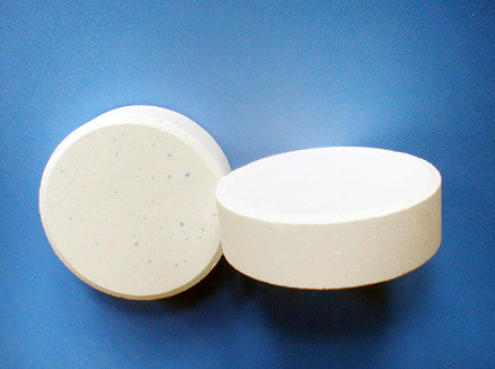
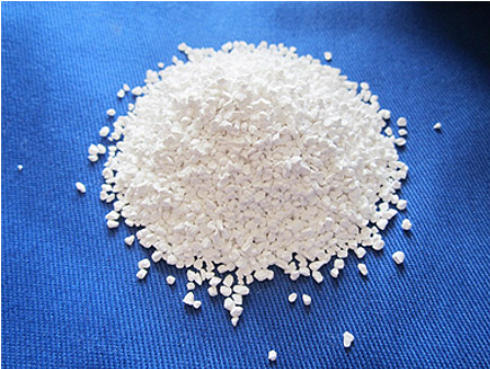
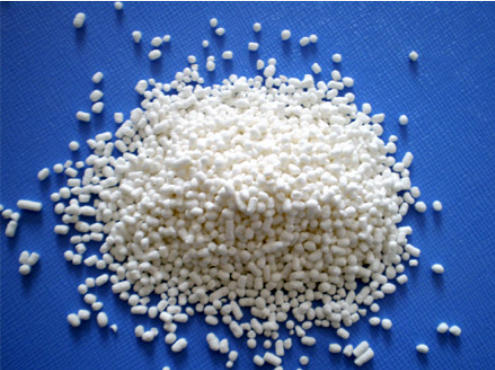
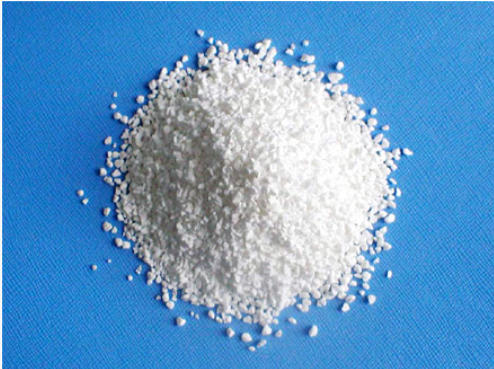
4、 Product Structure and Technology Trends (1) Mainstream Products 1 Chlorine containing disinfectants: with the highest market share (about 27% -38%), mainly sodium hypochlorite, 84 disinfectant, and sodium dichlorotrichloroisocyanurate, are widely used in water treatment, medical, and public places due to their broad-spectrum and high efficiency, low cost; - Alcohol disinfectants: represented by 75% ethanol, are essential for hand disinfection and are stable for both household and medical use;
- Quaternary ammonium salts: low toxicity, mild, non corrosive, fast growth rate, mostly used in food, mother and baby, high-end environment;
- Peroxides: hydrogen peroxide, chlorine dioxide, strong sterilization, low residue, suitable for medical and food upgrades; 5. Other new disinfectants: Hypochloric acid, plant derived, biological enzymes, nano antibacterial materials, environmentally friendly, maintaining a growth rate of 30+%. ###(II) Technology and Product Application 1 Composite: a multi-component compound that combines sterilization, mildness, and durability; 2. Green and low toxicity: non irritating, biodegradable, with minimal residue, meeting the requirements of “dual carbon” and food safety; 3. Specialization: customized formulas for food contact, operating rooms, cold chain, pets, and air; 4. Convenience: wet wipes, spray, effervescent tablets, automatic atomization, improve the convenience of use; 5. Intelligentization: iot connects disinfection equipment, disinfection and sterilization regularly, monitors concentration, and promotes commercial upgrading. 5、 Policy and regulatory side 1 The industry regulatory bodies are the National Health Commission, the State Administration for Market Regulation, and the Ministry of Ecology and Environment. Industry standards are constantly being introduced, including the “Disinfection Management Measures” and “Disinfection Technical Specifications”, which require strong filing and health and safety evaluation; GB 14930.2-2025 “National Food Safety Standard Disinfectants” raises the entry threshold for disinfectants used in food; Upgrading environmental policies, tightening the discharge of wastewater, exhaust gas, and hazardous waste, and promoting the clearance of outdated production capacity; Increase investment in public health construction, standardize and institutionalize disinfection of medical and public places.
Policy inclination: Raise the threshold, support innovation, eliminate chaos, ensure security, and promote upgrading from “large quantity” to “high-quality”.
6、 What are industry barriers? - Highly homogeneous. Serious internal competition in products such as alcohol and 84 disinfectant has led to frequent price wars and reduced profits; 2. Small and medium-sized factories face significant pressure. Insufficient investment in research and development, quality inspection, and environmental protection, facing the risk of being eliminated; 3. The price of chemical raw materials has increased. The stability of costs and profits is facing challenges; 4. The export wall is heavily guarded. International certification, high environmental standards, and trade frictions hinder overseas expansion; 5. Insufficient consumer education. **There is a risk of insufficient or excessive disinfection, as well as misuse, in household settings, which affects the industry’s reputation.
7、 Where are the industry opportunities? - Long term health consumption. Disinfection of homes, households, and offices has become a common practice; 2. Medical infection control upgrade. The disinfection procurement of secondary and above hospitals continues to grow, and the replacement of high-end products is accelerating; 3. Upgrade food and industrial disinfection. Upgrading standards in food processing, pharmaceuticals, cold chain disinfection, and other related areas will drive an increase in demand for disinfection products; 4. Expansion of export markets. The global supply chain is undergoing restructuring, and the cost-effectiveness advantage of Chinese disinfection products remains unchanged, with the continuous release of export dividends; 5. Technological innovation brings high growth. Green disinfection, composite disinfection, and intelligent disinfection bring new markets and improve profitability.
8、 What is the future of the industry?
- Increase concentration, accelerate concentration, increase the share of large enterprises, continue to increase, and small enterprises turn to segmented tracks